Every marble surface is different, so the process is selected according to the condition of the stone.
1. Surface Inspection
We inspect the marble for scratches, stains, dullness, etching, chips, cracks and other visible surface conditions.
For larger or more complex work, a site inspection can help establish the required scope.
2. Surface Preparation
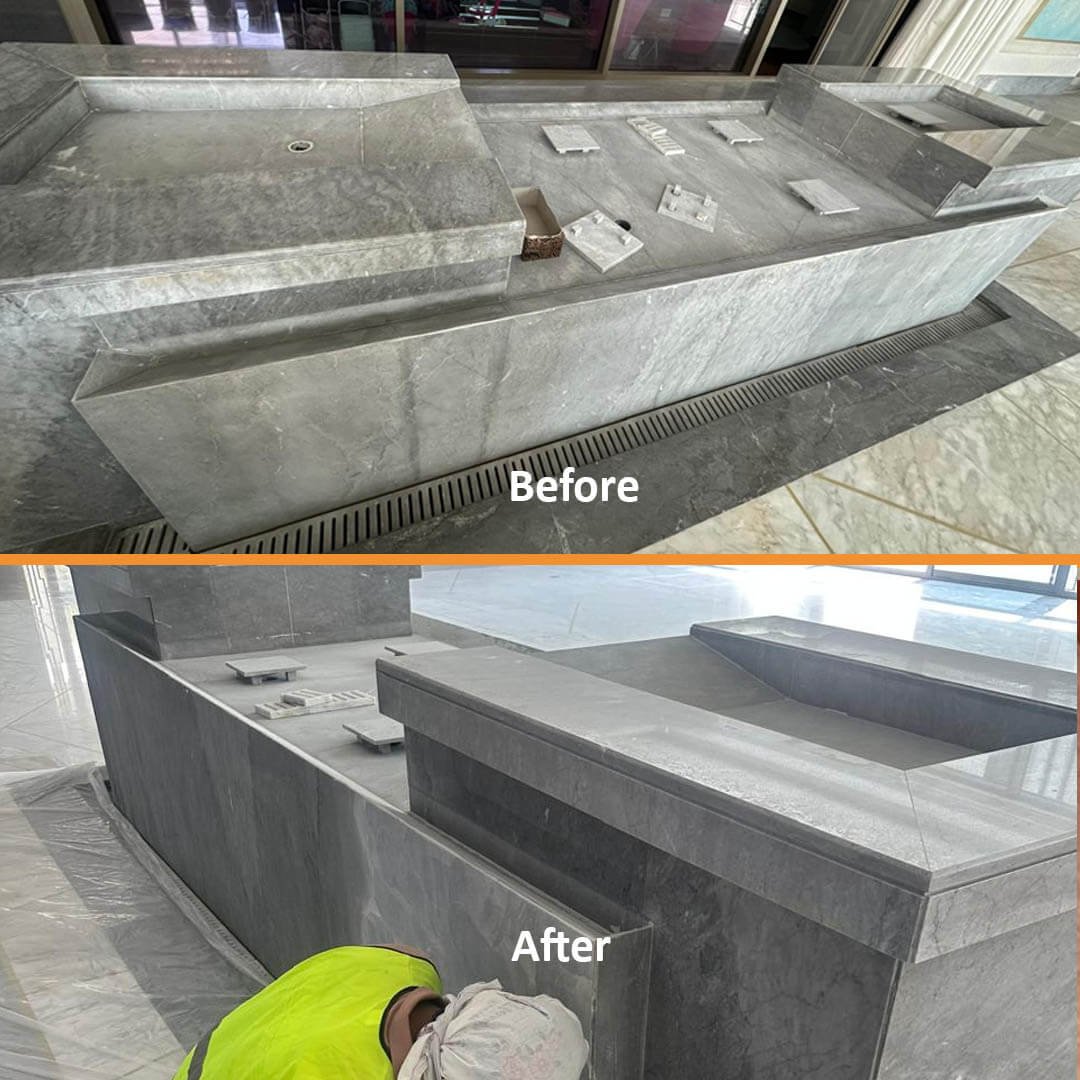
The surrounding area is prepared and suitable surfaces are protected before work begins.
For kitchen countertops and fitted areas, additional care is taken around cabinets, sinks, appliances and other fittings.
3. Deep Surface Cleaning
The marble is cleaned to remove surface dirt, residue and buildup before polishing.
4. Grinding or Honing Where Required
Not every marble table or countertop requires grinding.
If the surface has deeper scratches, significant wear or unevenness, grinding or honing may be considered before the polishing stages.
5. Progressive Polishing
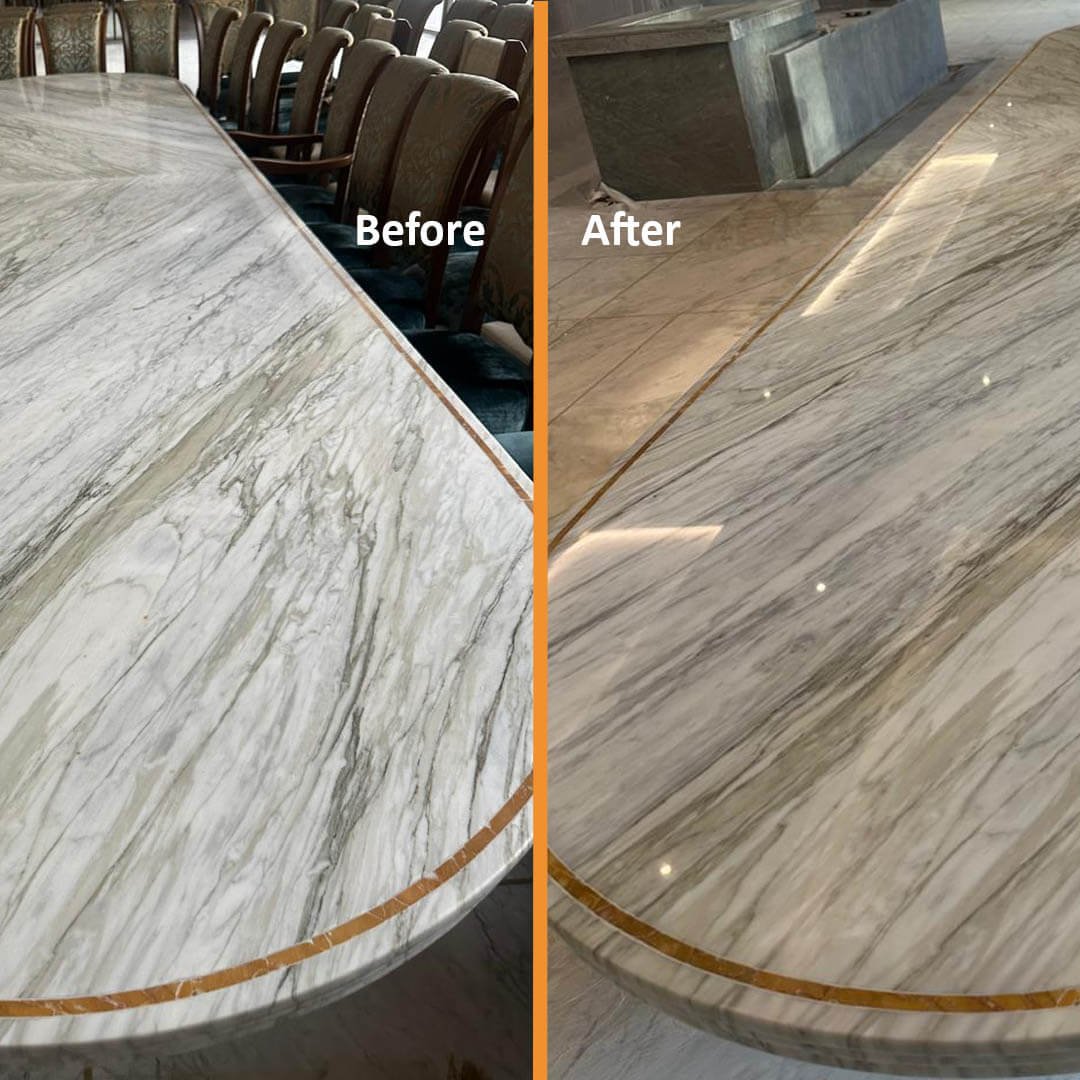
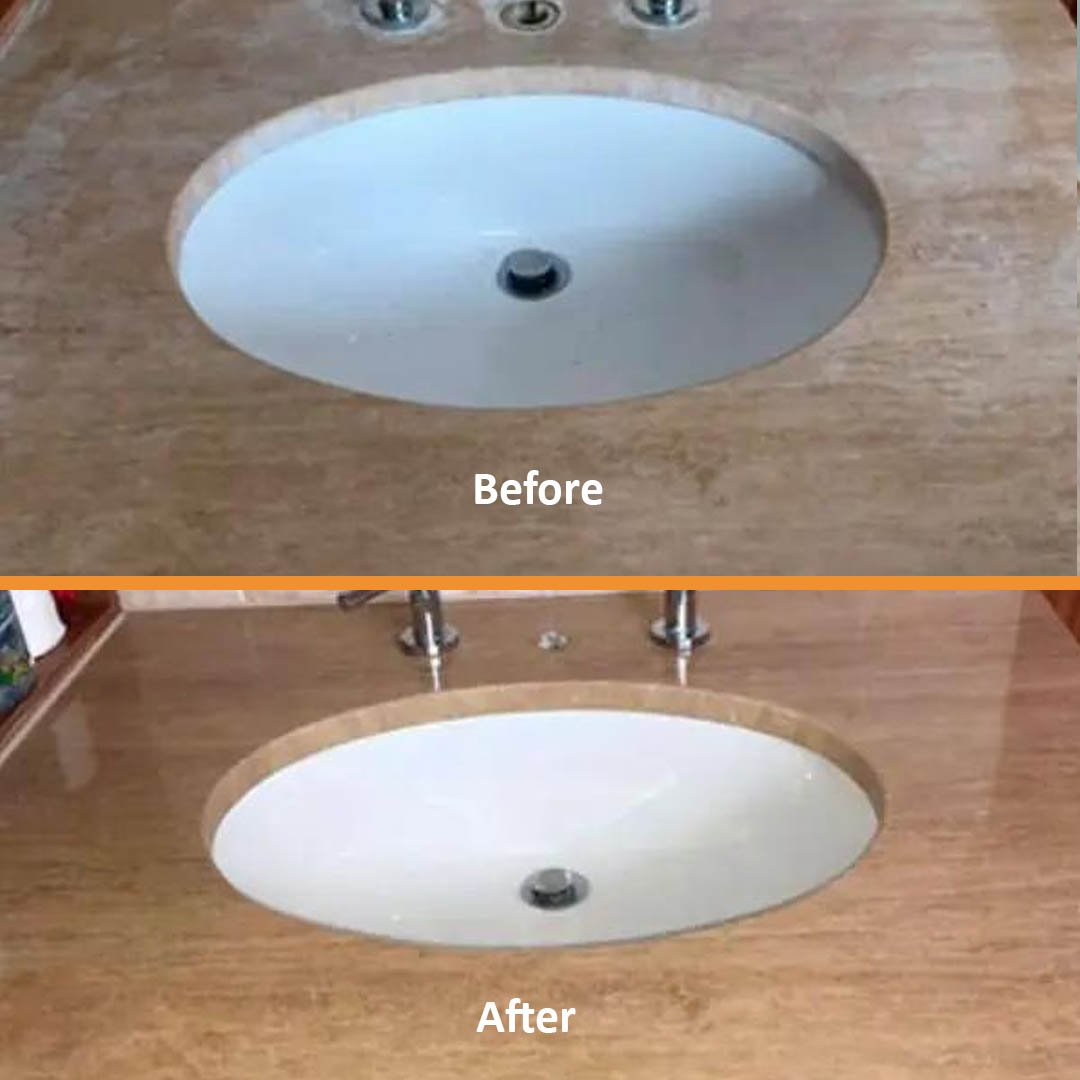
Suitable diamond polishing pads are used progressively to refine the marble surface.
The process can help improve:
- Smoothness
- Surface clarity
- Uniformity
- Natural marble appearance
- Overall finish
6. Scratch & Surface Treatment
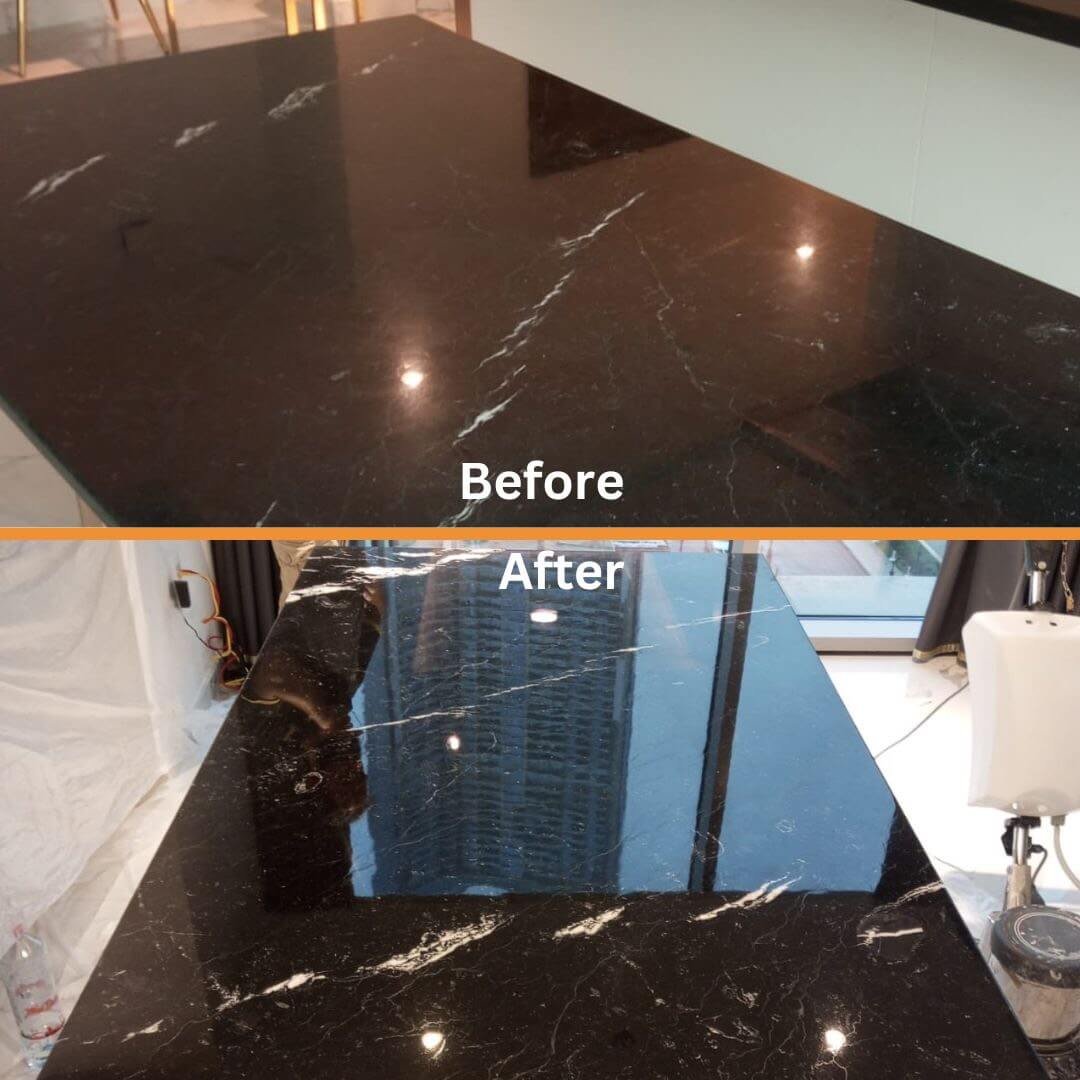
Visible surface scratches, etching and other marks are assessed and treated where appropriate.
The result depends on the depth and type of damage.
7. Filling Where Required
Small chips, holes or suitable surface defects may require filling before the final polishing stage.
Major cracks, broken sections or structural damage may require separate repair or replacement.
8. Final Polishing
The final polishing stage is completed according to the marble type, condition and required finish.
9. Final Cleaning & Inspection
The completed marble surface is cleaned and inspected to remove polishing residue and ensure the area is ready for use.




 Kishor Rathore
Trustindex verifies that the original source of the review is Google.
Excellent marble floor polishing service by repland. Our flooring looks clean, smooth and beautiful shining.. Professional team and great service on time.. ThanksPosted on Google varsha SAMYANI
Trustindex verifies that the original source of the review is Google.
Very satisfied with Repland service! We booked their package for our 3-bedroom apartment, including wall painting, AC duct cleaning, and full home deep cleaning. The team was professional, careful, and did a great job from start to finish. Our apartment looks fresh, clean, and almost like new. Highly recommended!Posted on Google SAVITA SINGH
 shahid salman
 Bharat Rekha
 Caner Acu
 Syed Muhammad Mazhar Shah
 MRAR Rajpoot